A Designer's Take: Embroidering the Christmas Stocking SVG
When a new design file lands in my library, I don't just look at it on screen. I imagine it stitched. I think about the fabric it will live on, the hands that will hold that finished product, and the practical hurdles between the digital file and a real, saleable item. So, let's talk about the Christmas Stocking design from Maison Gregoria.
The First Impression: Classic Charm with Clear Potential
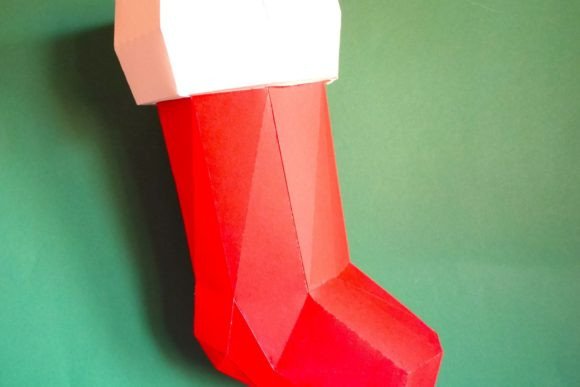
Opening this 3D SVG, the immediate feeling is one of traditional holiday warmth. The shape is instantly recognizable—a classic stocking with a gentle curve and a clean silhouette. This isn't an overly busy, maximalist design; it's a focused, iconic symbol. That's a strength. For embroidery, especially when you're translating a digital template into stitches, a clear, well-defined shape like this means fewer potential headaches with tiny, crowded details. The visual personality is friendly and timeless, which tells me it belongs on projects where the holiday spirit is the star, not the technique.
It naturally fits into a category I call "reliable celebratory." You'd use this for a personalized gift where the message is simple: "Merry Christmas." It would be perfect as a single, statement embroidery on a pillow cover for a holiday living room, as the central motif on a kitchen towel for a hostess gift, or appliquéd onto a baby's holiday sweater. For small business owners, this is the kind of design that can anchor a whole product line—think a simple embroidered tote bag for a seasonal market or a tea towel set for an Etsy listing.
Where This Stocking Shines in Real Projects
Let's walk through a real scenario. Imagine you're preparing a custom embroidered sweatshirt as a holiday gift for a client. They want something cozy, festive, but not childish. This Christmas Stocking design, placed centrally on the chest or lower on a sleeve, works beautifully. Its clear shape ensures the stitching clarity remains high, even on a slightly textured fleece fabric. The design's simplicity adds to the product value; it looks intentional and well-crafted, not like a crowded clip-art image.
For apparel decorators, this translates well to caps and hats, provided you consider the curved surface. The lack of intricate internal detail (like complex patterns inside the stocking) is a benefit here—it reduces stitch density in a single area, which helps the design sit better on a curved cap panel. As an embroidered patch, it would be equally strong; the edges are clean for potential satin stitch bordering, making it a great candidate for a heat-seal or sew-on patch for bags or jackets.
In terms of visual appeal and buyer engagement, this design hits a sweet spot. For craft fair products or boutique merchandise, customers recognize it immediately. That recognition builds trust. They see a beautifully embroidered stocking on a blanket or apron, and they don't have to "interpret" it—they feel the holiday nostalgia instantly. This strengthens handmade presentation and brand consistency if your shop specializes in classic, heartfelt items.
Handling the Digital-to-Physical Translation
Working with any digital embroidery file, especially an SVG intended for a paper template or potential conversion to an embroidery file or applique design, requires a practical mindset. Here's where my designer notes come in.
Always, always test the design on scrap fabric first. Use a fabric similar to your final product. If you're planning to put this on a tote bag, test on canvas. For a baby clothes project, test on soft cotton knit. This lets you review stitch density and check thread color contrast. A classic red and white stocking might need adjustment if you're stitching on a dark fabric background like navy—perhaps a cream outline instead of white.
Inspect small details like the toe and heel areas of the stocking shape. Ensure your machine or hand-stitching plan can handle those corners crisply. For machine embroidery, this involves checking hoop size suitability and using a proper stabilizer. A design with a solid shape might involve fill stitch areas; you want to be sure that doesn't make the fabric too stiff, particularly for wearables like sweatshirts.
Careful Application: When to Proceed with Caution
Not every design is for every surface. The Christmas Stocking, while clean, has a defined shape that could present challenges on very small hoop sizes. Trying to miniaturize it drastically for a tiny ornament might lose its clean silhouette. Similarly, on highly textured fabrics or very thin fabric, the clarity of the shape could soften if the stitch parameters aren't adjusted.
I'd be cautious with stretchy fabric without excellent stabilization, as any larger filled area could lead to puckering. And for products destined for frequent washing—like kitchen linens or children's apparel—consider reinforcing the stitch structure or perhaps using it as an appliqué to reduce the total stitch count and increase durability.
For commercial embroidery projects and digital product sellers offering finished goods, a crucial final step is to confirm licensing before selling finished items. The product description states it's a template from Maison Gregoria. It is essential to verify the specific license terms for this design to understand if it's cleared for personal and commercial projects. This protects your craft business and maintains professionalism.
The Final Stitch: A Design That Builds Confidence
Ultimately, reviewing this Christmas Stocking design from a maker's perspective leaves me confident. It's a design that serves the project, not overshadows it. It elevates giftability and handmade product appeal because it's universally understood and emotionally resonant. Its strength is in its straightforward, iconic form, which translates reliably from a digital template to physical stitches.
For creative entrepreneurs, it's a solid design asset for seasonal offerings. Before running the first real stitch, do your practical homework: test, check contrast on light and dark backgrounds, and verify licensing. Once that's done, this stocking has the potential to become a cherished, well-embroidered centerpiece on a host of holiday embroidery projects, from the personal gift to the small shop merchandise, making your finished product feel both professional and perfectly festive.