A Turtle Shaker Cake Topper Design Review for Embroidery
The First Impression: Summer Fun Meets Stitchable Charm
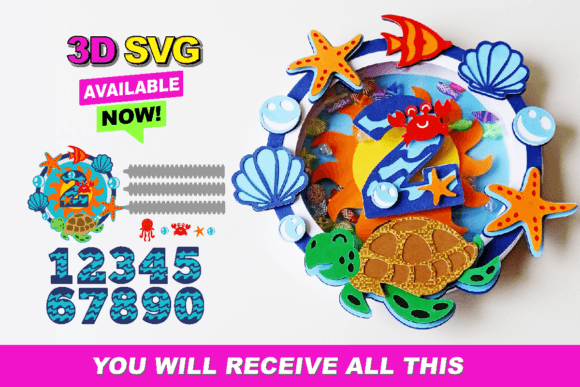
When I first opened the Shaker Cake Topper SVG Turtle Summer design, I felt an immediate smile. This isn't a complex, intimidating piece; it's a playful, welcoming shape perfect for injecting a bit of sunny personality into a project. The theme is clear—it's cheerful, nostalgic, and has that handmade, celebratory vibe. The layout, being a 3D SVG focused on the shape, suggests it’s built for clean outlines and defined areas, which is excellent news for us embroidery designers. The detail level feels intentional, not overly fussy, meaning it will translate well into stitch without losing its character.
Where This Turtle Design Naturally Belongs in Your Work
I pictured this on a custom embroidered tote bag immediately. It’s the kind of motif that makes a simple canvas bag feel like a special, boutique product. But its applications are wider. I’m thinking about a client request for a personalized baby item, like a blanket or a romper—this turtle has that gentle, friendly energy perfect for nursery decor. For small business merchandise, it could be a standout on a high-quality sweatshirt or a crisp apron. As an Etsy seller, you could offer it as a custom embroidered patch for holiday gifts or wedding party favors. The shape lends itself to being a focal point, so it elevates basic items into giftable, branded pieces.
Visual Appeal and Professional Impact After Stitching
The real test is how it performs once the machine embroidery design is running. On apparel, like a t-shirt or cap, the clean shapes should allow for crisp satin stitch borders or confident fill stitch areas, creating strong visual appeal. That clarity builds customer trust—they see a professional, polished finished product. For a handmade presentation, it offers enough charm to feel personal without being messy. In a craft fair product or an Etsy listing photo, it provides instant recognition and engages buyers looking for that summer, celebratory feel. Its value isn't in complexity; it's in its ability to make an item look thoughtfully designed and intentionally crafted.
Practical Performance in Real-Life Embroidery Situations
Let’s walk through a real scenario: you’re preparing an embroidered pillow cover for a boutique. The Shaker Cake Topper SVG Turtle Summer design, as a 3D SVG, should be straightforward to work with. On stable fabrics like cotton or linen for pillow covers or kitchen towels, it will likely be a reliable embroidery file. However, its performance depends on your setup. On textured fabrics or stretchy fabric like for a sweatshirt, you’ll need to be meticulous with your stabilizer choice to keep those shapes sharp. On dark fabric, thread color contrast is paramount—you’d want to test a few high-contrast combinations on scrap first to see which makes the turtle pop.
I’d be cautious with very small hoop sizes. While the design isn’t described as overly detailed, any smaller elements within the shape could become problematic if you try to shrink it too much for a baby clothes application. Similarly, on curved surfaces like caps, the layout might need slight adjustment to sit correctly. There’s no mention of tiny lettering here, which is good, but always inspect any small details in the design preview before committing to a commercial embroidery project.
Where to Use This Design Carefully
This is a friendly reminder for any embroidery project: not every design fits every context. For the turtle, layered garments or products that need frequent washing, like personalized gift tea towels, you’ll want to ensure your stitch density is appropriate to withstand wear. Dense stitch areas can become stiff and uncomfortable on apparel. For decorative accents on items like aprons, it’s perfect, but on thin fabric, you risk puckering if the fill isn’t managed well. Always, always test the design on a scrap of your intended fabric first. It’s the golden rule for maintaining professionalism in your craft business.
Designer Notes for a Smooth Embroidery Project
Before you stitch this for a client or for your small shop product, here’s my practical checklist.
- Test, test, test. Run the embroidery file on a spare piece of your target fabric.
- Review the stitch density in your software preview. Does it look balanced for the size you intend?
- Confirm your hoop size can accommodate the design at your desired scale.
- Check thread color contrast. Create black and white mockups or compare light and dark fabric backgrounds digitally to gauge readability.
- Use proper stabilizer. This is non-negotiable for clean results, especially on stretchy or textured fabrics.
- Check licensing. The product description notes it’s an SVG for cutting machines. For embroidery, you’re likely converting or using it as a guide. Ensure you understand the license for selling finished items or digital products derived from it.
- Consider its dual use. This shape could work beautifully as an applique design base, using fabric pieces for the turtle, secured with satin stitch. That’s a fantastic technique for tote bag designs or baby embroidery.
The Final Take: A Versatile Shape for Creative Entrepreneurs
The Shaker Cake Topper SVG Turtle Summer design, in the Shapes category, offers a solid foundation. It’s not just a digital embroidery file; it’s a design asset that can be adapted. Its mood is its biggest selling point—it feels like summer, celebration, and handmade care. For an apparel decorator, it can be the centerpiece of a custom embroidered sweatshirt. For a digital product seller, it can be part of a printable mockup showcasing potential finished products. For the hobbyist making holiday embroidery gifts, it brings a smile. Its value lies in its straightforward, cheerful personality that, when stitched with care, results in a product people are drawn to. Just remember to apply your embroidery expertise to the technical setup, and this turtle will swim perfectly into your next project.