Deer in a Cup Candy Dome: A Designer's Practical Review
When a new design lands in my library, I immediately start thinking about its real-world application. This isn't about just downloading a file; it's about envisioning the stitch path, the fabric texture, and the final product in someone’s hands. Today, I'm looking at the Deer in a Cup Christmas Candy Dome embroidery design from that exact perspective.
First Impressions: Charm with a Purpose
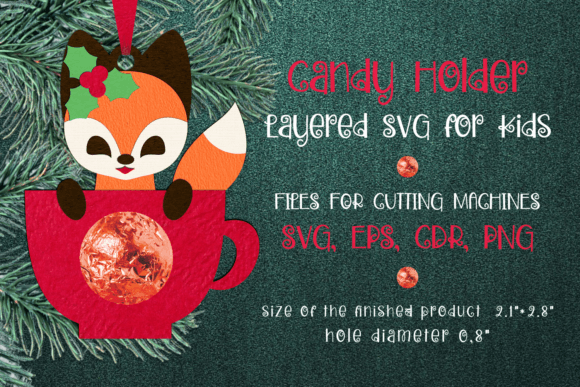
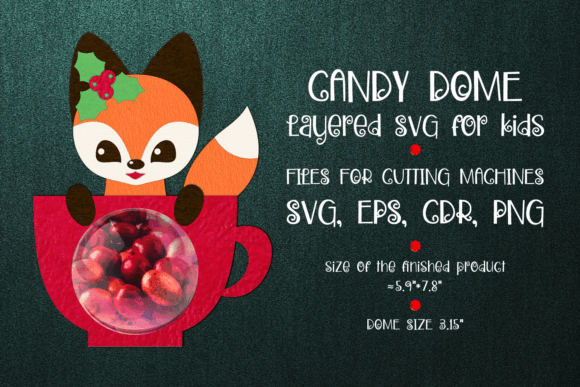
The Deer in a Cup Candy Dome design immediately strikes a balance between whimsical charm and structured formality. The central motif of a deer nestled inside a cup-shaped dome has a storybook quality, perfect for the holiday season without being overtly loud. The layout suggests a clear focal point, which is excellent for embroidery; your stitches will naturally guide the viewer’s eye to that sweet, central scene. The detail level appears thoughtfully composed—likely with clean outlines and defined areas for fill stitches. This isn't a chaotic, overly-busy holiday pattern. It has a visual personality that leans toward nostalgic giftability, making it feel like a keepsake rather than a generic decoration.
I instinctively see this design belonging on items meant for presentation. A custom embroidered pillow cover for a cozy holiday living room, a decorative kitchen towel for a hostess gift, or a beautifully finished tote bag sold at a winter craft fair. It carries a mood of gentle festivity, which translates well to handmade products.
Where This Design Excels in Real Projects
Let's talk about application. Imagine you’re preparing a batch of boutique sweatshirts for your small shop. The Deer in a Cup Candy Dome, sized appropriately, would sit beautifully on the left chest or back yoke. Its contained, dome-like shape creates a self-contained vignette, preventing the design from feeling lost on a larger garment. For baby items, like a holiday-themed bib or the corner of a nursery blanket, the design’s gentle theme works wonderfully—it’s festive but not intimidating for little ones.
As a patch, this design could be superb. The clear borders imply it would frame well with a satin stitch edge, becoming a standalone embroidered patch for caps, aprons, or backpack accents. For home decor, think pillow covers or tea towels; the design offers a complete scene that enhances the item without requiring additional motifs. From a commercial embroidery perspective, this clarity is key. It builds customer trust because the finished product looks intentional and professional, not haphazard.
A Specific Scenario: The Holiday Tote Bag
Picture this: You’re an Etsy seller creating a limited run of holiday market tote bags. You choose a sturdy canvas fabric. The Deer in a Cup Candy Dome is embroidered centrally, perhaps with festive green and red thread against a natural bag background. The result isn't just a bag; it becomes a seasonal accessory with a story. The design’s appeal here directly impacts perceived value and buyer engagement. It feels special, a deliberate handmade presentation that supports your brand consistency if your shop leans toward classic, whimsical crafts.
Considerations for Successful Stitching
No design is universally perfect for every scenario, and practical judgment is what separates a good project from a flawed one. With the Deer in a Cup Candy Dome, pay close attention to scale. On very small hoop sizes, the finer details within the cup and on the deer could become dense, potentially leading to stiffness in the fabric. Always test on scrap fabric first.
Textured or stretchy fabrics, like certain knits for sweatshirts, will require careful stabilizer choice to maintain the design’s crisp shape, especially that dome outline. On dark fabric backgrounds, thread color contrast is paramount; you’ll need to plan your palette so the delicate deer figure doesn't vanish. For products destined for frequent washing, such as baby clothes or kitchen linens, review the stitch density in your machine embroidery file. Areas with high fill stitch concentration can become less flexible over time.
Curved surfaces like caps present a unique challenge. The design’s circular dome base could be an advantage, fitting nicely on a curved crown, but you must ensure the design file is properly adapted for that surface to avoid distortion. And while the description mentions it’s a 3D SVG file for cutting machines, as an embroidery designer, my crucial note is this: confirm the compatibility and licensing of the design for your intended use. Is it suitable for machine embroidery? Does it include applique design elements? What are the license terms for selling the finished product? You must check these specifics before committing to a client project or a batch of small shop merchandise.
The Impact on Your Craft Business
Choosing a design like Deer in a Cup Candy Dome goes beyond a single project. It affects your visual appeal and professionalism. When a design stitches out cleanly with good stitching clarity, as this one promises to do, it elevates the perceived value of your entire offering. For personalized gifts, this design hits a sweet spot—it’s recognizable as a holiday emblem but unique enough to feel personal.
For digital product sellers offering printable mockups or other design assets, a well-executed embroidery sample of this design serves as a powerful, authentic preview. It shows potential buyers the real-life application, building confidence. In a crowded market, that practical demonstration of quality can be your biggest advantage.
Your Essential Designer Checklist
Before you run this design on your machine for a real project, make this your routine:
- Test the embroidery file on a scrap of your target fabric.
- Check thread color contrast for both light and dark backgrounds.
- Review the stitch density, especially in small detail areas.
- Confirm your hoop size can accommodate the design at your desired scale.
- Inspect how the small details, like the deer’s features, translate into stitches.
- Use proper stabilizer for your specific fabric—don't skip this step.
- If creating for commercial embroidery or selling finished products, explicitly confirm the licensing terms.
Approaching designs with this level of practical scrutiny transforms your workflow. The Deer in a Cup Christmas Candy Dome has the inherent charm and structure to be a star in many holiday projects, but its success rests on your informed, skilled execution. That’s where the real magic of embroidery happens—in the thoughtful translation of a digital file into a tangible, cherished finished product.