Evaluating the Cutout Hearts Shadow Box Embroidery Design
The First Glance: Romantic Detailing with a Shadow Box Soul
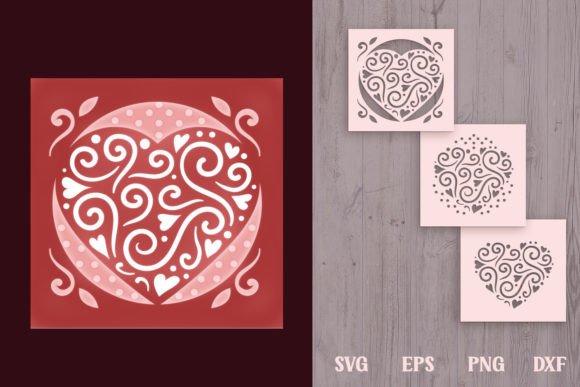
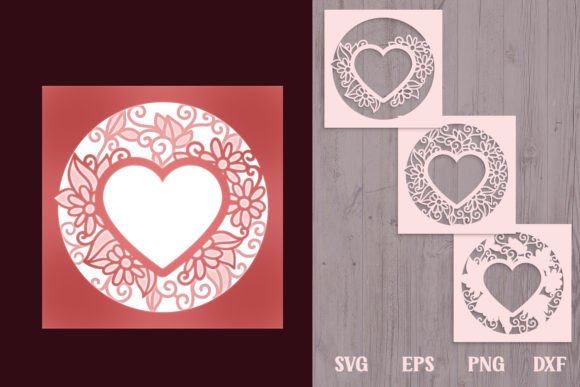
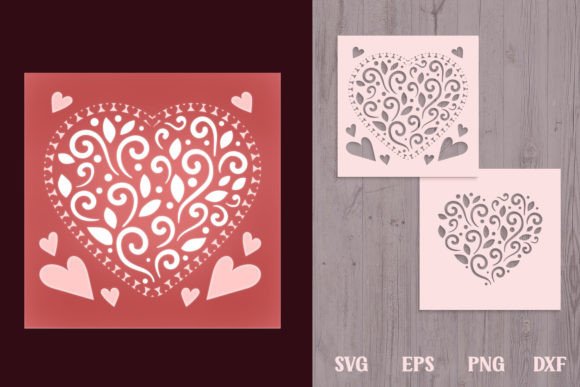
My first impression of the Cutout Hearts Shadow Box 3 SVG Layers design is that it carries a distinctly romantic, layered narrative. The heart motif combined with detailed leaves and ornaments suggests a piece that’s more than just a simple shape—it’s an invitation to create something with depth. The shadow box approach, implied by the layered design structure, immediately points towards a project with a sense of dimension and story, even before it’s stitched out. This isn’t a bold, graphic statement; it’s a delicate, intricate composition that would bring a soft, magical touch to home decor or personalized gifts. The visual personality leans towards elegant, thoughtful, and slightly whimsical, making it a natural fit for projects where sentiment matters as much as style.
Where This Design Finds Its Perfect Embroidery Home
In real-world embroidery situations, the Cutout Hearts Shadow Box design feels destined for projects where its detail can be appreciated without being overwhelmed. Imagine it on a high-quality cotton pillow cover for a boutique bedding line, or as a central feature on a linen tea towel for a wedding gift. Its layered hearts would translate beautifully onto a soft, cotton tote bag sold at a craft fair, adding perceived value through its complexity. For a creative entrepreneur selling baby items, this design could be stunning on a nursery blanket or a delicate wall hanging, where the theme of love and growth resonates perfectly. As a professional, I’m thinking about how it would look in a printable mockup for an Etsy listing—the layers would create a visual interest that suggests quality and craftsmanship, which is key for digital product previews and building customer trust.
This embroidery file also holds promise for custom apparel when applied thoughtfully. A minimalist sweatshirt, with this design placed subtly on the sleeve or chest, could elevate a simple garment into a boutique product. However, its success here depends heavily on scale and fabric choice. The same goes for creating an embroidered patch; the layered elements could make for a rich, detailed patch, but the stitch density and small details need careful execution to remain clear and durable.
Caution Zones: Where to Use This Design with Care
While the design is beautiful, its intricate nature requires practical consideration. On small hoop sizes, the detailed leaves and ornaments might lose clarity if scaled down too much, becoming a muddle of stitches rather than a clean image. Textured or stretchy fabrics, like some knit sweatshirts, could distort those fine lines unless a very robust stabilizer strategy is used. Dark fabric backgrounds present a classic challenge—the "white background" mentioned in the description suggests the design likely has elements meant to pop against darker grounds, but thread color contrast becomes absolutely critical. You’d need to test whether the intended shadow box effect holds up when the base layer isn’t white.
Curved surfaces, such as caps, are a tricky application. The design’s layout might not conform well to a curved plane unless it’s significantly adapted. Furthermore, products destined for frequent washing, like kitchen towels or baby clothes, need to be stitched with durability in mind—dense stitch areas in this design could become stiff or prone to snagging if not balanced well with appropriate fill stitches and thread types. For commercial embroidery projects, especially on layered garments or items with complex seams, a thorough test on a scrap of the actual product fabric is non-negotiable.
How This Design Influences Perceived Value and Professionalism
From a business perspective, using the Cutout Hearts Shadow Box design effectively can significantly boost the visual appeal and perceived value of a handmade product. Its layered, 3D SVG nature suggests sophistication and effort, which customers intuitively associate with higher quality. This directly impacts giftability and buyer engagement—a holiday gift embroidered with this design feels custom and thoughtful, not generic. For a small shop product, it contributes to brand consistency if your line revolves around romantic, detailed themes; it tells a cohesive story.
However, the flip side is that poor execution can undermine that trust. If the stitch clarity is lost on a textured fabric, or the small details are blurry, the finished product looks amateurish. This design demands a confident skill level from the embroidery designer to realize its potential. When done well, it creates a piece that feels professional and engaging, encouraging recognition and repeat business. It’s a design asset that, when mastered, becomes a reliable tool for creating standout merchandise.
Practical Notes for the Embroidery Designer Before Hooping Up
Before committing this design to a client project or your own stock, here’s my grounded checklist. Always test the embroidery file on scrap fabric first, ideally the same material your final product will use. This reveals the true stitch density, how the satin stitches and fill stitches behave, and whether any tiny corners in the leaves or ornaments get lost. Check your thread color contrast meticulously against both light and dark fabric backgrounds; the magic of a shadow box often lives in that contrast. Confirm the necessary hoop size by running a test—you need enough space for all three layers to register clearly.
Inspect the small details in a black and white mockup as well; this helps you see the pure structure without color influencing your judgment. Using proper stabilizer is paramount, especially for the layered effect to sit flat and clean. Crucially, as a crafter or small business owner, verify the licensing terms for this design before selling finished items or digital products. The description doesn’t specify commercial use, so that’s a vital step to protect your craft business. Understand whether it’s suitable for both personal and commercial embroidery projects to avoid any legal pitfalls.
The Final Real-World Scenario: A Boutique Valentine’s Pillow
Let’s walk through a concrete scenario. I’m considering this Cutout Hearts Shadow Box 3 SVG Layers for a limited-run Valentine’s pillow cover for my small shop. The mood is perfect. I’ll choose a high-quality, neutral linen fabric to let the design shine. My primary concern is stitch clarity on the linen’s slight texture, so I’ll opt for a sturdy cutaway stabilizer and test the stitch density on a linen scrap to ensure the fill stitches don’t puckering. I’ll likely use a soft pink and ivory thread scheme to enhance the romantic feel, checking the contrast thoroughly. The three layers should create a lovely depth on the flat pillow surface, making it a compelling product for my Etsy listing. My customers, looking for a special handmade gift, would likely react to the intricate, layered hearts—it feels more custom than a single-layer applique design. This is where the design’s potential truly materializes: in a finished product that looks carefully crafted, carries emotional weight, and supports the professionalism of my brand. It’s a strong contender, provided I do my due diligence in the testing phase.