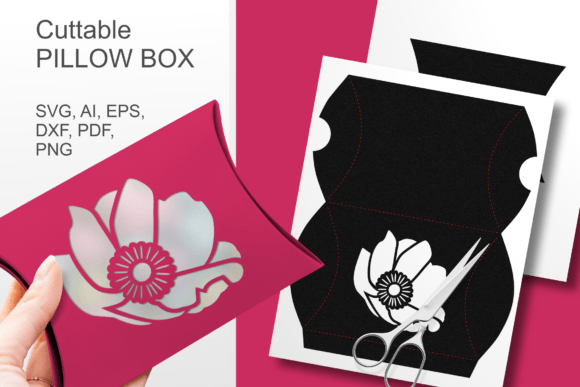
Flower Shape Holes Pillow Box Template: A Designer's Honest Take
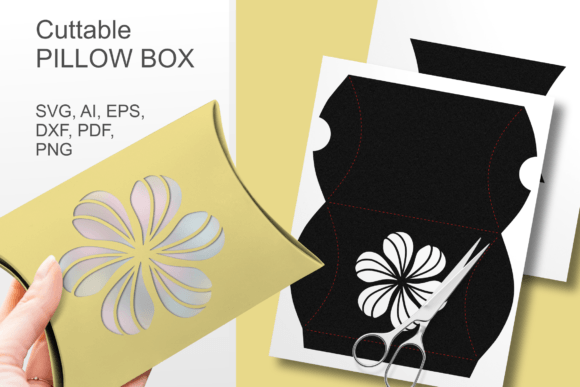
I’m looking at this Flower Shape Holes Pillow Box Template, and my first thought isn't about gift boxes. It's about translation. How does this lovely 3D SVG concept translate into stitches? This is the critical filter I apply to any digital asset before I commit it to thread and fabric for a client project or my own shop's merchandise.
The Visual Mood and Its Embroidery Potential
The design immediately feels decorative and delicate. Those floral cutouts suggest a light, airy, and celebratory mood. This isn't a heavy, bold graphic; it's a detailed pattern that would bring a touch of structured whimsy to a project. For an embroidery designer, that means it naturally belongs on items where detail is appreciated and the scale allows for clarity. Think of it as a sophisticated accent rather than a central, overwhelming logo.
I picture it on a crisp, linen pillow cover for a boutique home goods line, or as a recurring motif on a set of embroidered kitchen towels for a wedding gift. The "pillow box" shape itself, once rendered in thread, could become a charming frame on a baby's keepsake blanket, surrounding a name or date. The key is recognizing that this is a design built from shapes and negative space—those flower-shaped holes. In embroidery, that negative space is everything. It defines where the fabric shows through, creating a play of texture and light that a simple printed graphic cannot.
Real-World Application: Where This Design Excels and Where to Be Cautious
Let’s walk through a real scenario. A client requests a custom embroidered tote bag for a garden club fundraiser. They want something elegant, floral, but not a literal flower bouquet. This template could be perfect. Enlarged slightly to dominate the tote bag panel, the embroidered box shape with its decorative holes would feel exclusive and handmade. Using a combination of satin stitch for the solid outlines and a precise running stitch for the finer internal details could create stunning depth.
More broadly, this design has strong potential for custom apparel like the chest of a linen shirt, embroidered patches for a craft brand, or as subtle decor on aprons and caps for a small boutique. Its structured geometry would look particularly professional on uniforms or branded merchandise for a creative business.
Handling the Details: A Note on Stitching Clarity
However, the detail level demands respect. Those flower-shaped holes mean there are corners and potentially tight curves. On textured or stretchy fabrics like some sweatshirt fleeces, the crispness could soften. On dark fabric backgrounds, you’d need impeccable thread color contrast to make the positive and negative space relationship pop. I would not recommend this for very small hoop sizes; it needs room to breathe so the holes don’t become muddy, dense stitch areas.
For items requiring frequent washing, like baby clothes or kitchen linens, test the stitch density and stability thoroughly. A design with this much open space relies on the integrity of the surrounding stitches—if they’re too sparse, it might wear quickly; too dense, it could pucker.
Impact on Your Craft Business and Customer Perception
From a commercial standpoint, using a design like this correctly elevates your work. It moves beyond generic text and into the realm of thoughtful design assets. For an Etsy seller or small shop owner, it can become a signature element for a line of personalized gifts. A customer sees the intricacy and recognizes the skill involved—that builds customer trust and increases the perceived value of your handmade product.
It’s giftable. It feels special. Whether it’s on a holiday embroidery on a tea towel or a monogrammed pillow cover in a nursery decor set, it carries a bespoke personality. That’s a powerful tool for brand consistency if you’re building a visual identity around delicate, geometric patterns.
Practical Designer Notes Before You Hoop This Up
My standard advice for any new embroidery file applies doubly here due to its compositional nature. Test the design on scrap fabric first, using the exact material you plan for the final product. This is non-negotiable. Check the thread color contrast against both light and dark backgrounds. Inspect those small details in the flower holes—do they stitch out cleanly, or do they blur?
Always use the proper stabilizer for your fabric texture. This design’s success hinges on clean edges. I also recommend testing it in black and white mockups to understand its form without color distraction. And crucially: confirm the licensing before selling finished items or digital products derived from it. Know whether it’s cleared for commercial embroidery projects.
Remember, a machine embroidery design is a blueprint. The Flower Shape Holes Pillow Box Template offers a beautiful blueprint. Its real worth is determined by how you, the maker, translate it through your skill, materials, and intention into a tangible, stitched finished product that delights both you and your customer.