The Victorian Oil Decanter: A Designer's Real-World Embroidery Review
When a new embroidery file lands in my library, my first question isn’t about the technical specs. It’s about its soul. What story does it tell on fabric? How does it feel when it’s finally stitched out? Today, I’m looking at the Victorian Oil Decanter from that exact perspective, imagining it on a real project for a client or my own small shop merchandise.
A First Impression: Elegance with a Practical Weight
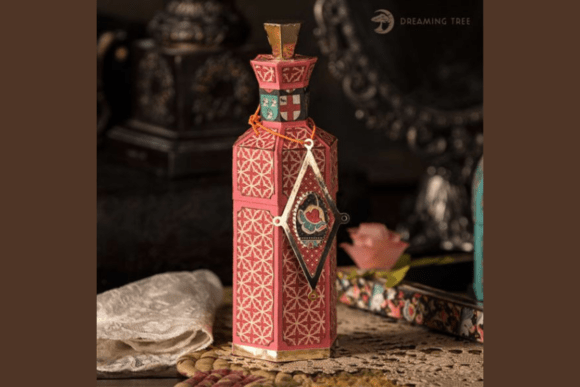
This design immediately sets a mood. It’s not flashy or modern; it’s quietly confident. The shape and intricate detailing suggest vintage elegance, a piece of history. For an embroidery designer, that’s valuable. It creates a visual personality that leans toward sophistication, heritage, and curated charm. I picture it not as a loud statement, but as a refined accent. This tells me it naturally belongs to projects where subtlety is a strength: perhaps a beautifully embroidered pillow cover for a boutique, a custom tote bag for a collector, or a personalized gift like a tea towel or apron with a classic feel.
Where This Design Thrives in Real-Life Embroidery
Let’s walk through a scenario. I’m preparing a custom embroidered sweatshirt for a client who loves antique decor. The Victorian Oil Decanter isn’t a typical logo; it’s an art piece. Stitched on the chest or sleeve, it becomes a wearable heirloom. The level of detail suggests it would translate well into satin stitch borders and fill stitch areas, giving it a substantial, quality feel on heavier fabrics like sweatshirt material or canvas tote bags.
For small business owners and Etsy sellers, this design adds perceived value. On a pillow cover or a decorative blanket, it elevates the item from a simple handmade product to a designed piece. That boosts customer trust and engagement. In printable mockups for digital product sellers, its intricate silhouette makes for a compelling preview, suggesting a high-quality embroidery file. For holiday or wedding gifts, its timelessness is a real asset—it feels considered and permanent, not trendy and fleeting.
The Careful Considerations: Where to Use it Mindfully
Every design has its ideal applications and its tricky ones. The intricacy here is beautiful, but it demands attention. On very small hoop sizes, some of the finer details might lose their clarity, becoming a dense cluster rather than distinct lines. I’d be cautious on stretchy fabrics or thin materials without excellent stabilizer, as the potential stitch density could challenge the fabric’s integrity.
Dark fabric backgrounds require a thoughtful thread color strategy to ensure the design doesn’t get lost. Embroidering it on curved surfaces like caps would need careful placement to accommodate the design’s likely wider layout. For products destined for frequent washing, like kitchen towels or baby items, a robust stabilizer and tight stitch quality are non-negotiable to maintain that elegance over time. The design’s decorative accents are its strength, but they must be executed cleanly.
Practical Notes from the Embroidery Table
Before committing this to a client’s project or my own craft business stock, my process is always hands-on. First, I’d test the Victorian Oil Decanter on scrap fabric identical to my final project material. This reveals the true stitch behavior, not just the digital preview. Checking thread color contrast against both light and dark backgrounds is crucial—sometimes a mockup looks perfect, but the stitched reality needs adjustment.
Reviewing the stitch density in this test helps me decide on the right stabilizer. I’d inspect how the small details translate and confirm the minimum comfortable hoop size. It’s also wise to test the design in simple black and white mockups to see its form without color influence, which helps judge its versatility. Finally, and critically for commercial use, I always verify the licensing terms before selling finished items or including it in my digital product offerings. Understanding whether it’s cleared for personal and commercial projects is a fundamental step for any creative entrepreneur.
The Final Stitch: Impact on Your Work and Your Customer
Ultimately, adopting a design like this into your workflow affects more than just a single project. It influences your brand consistency if you specialize in vintage or elegant themes. It enhances the giftability of your products because it feels inherently special. Its recognition factor is subtle—it won’t be a pop culture icon, but for the right customer, it will be a perfect, recognizable symbol of a shared aesthetic.
For embroidery designers and makers, the Victorian Oil Decanter represents a chance to offer something beyond the generic. It’s a design that, when stitched with care, communicates professionalism and attention to detail. It asks the maker to be a technician and an artist, ensuring the finished product honors the file’s intricacy. That journey from digital asset to physical, embroidered piece on a tote bag, apparel, or home decor item is where the real value is created—both for you and for the person who ends up enjoying that touch of vintage elegance in their everyday life.