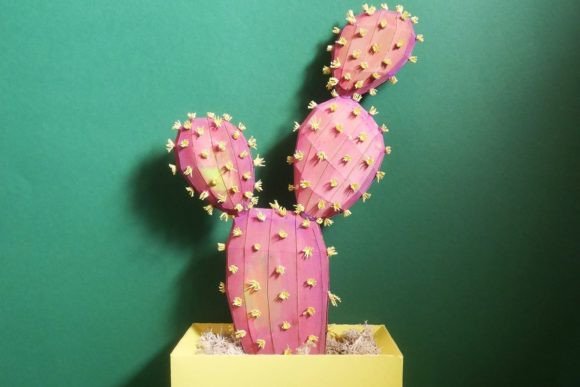
A Desert Charmer: Embroidering the Prickly Pear Cactus
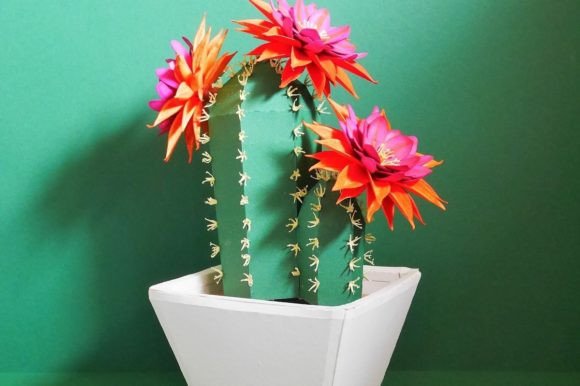
Every time I evaluate an embroidery design for real project use, my first question isn't about its technical specs. It’s about its soul. What mood does it create? What story does it want to tell on the fabric? The Prickly Pear Cactus design, from Maison Gregoria, immediately whispers a quiet, resilient charm. It doesn’t scream for attention; it invites a closer look. Its segmented, layered form speaks to that wonderful, architectural quality of cacti and succulents—a structured beauty that feels both organic and intentional.
The shape is inherently balanced, with a visual weight that feels stable and grounded. This isn’t a sprawling, chaotic design; it’s a contained, thoughtful composition. That makes it a natural fit for projects where you want a focal point that’s interesting but not overwhelming. I picture it perfectly centered on the front of a linen tote bag, or sitting neatly on the cuff of a tea towel. The level of detail suggests it can hold its own without needing a barrage of colors—a few well-chosen thread shades could bring it to life beautifully.
The Real-World Stitch Test: Where This Cactus Thrives
Let’s move from first impressions to the embroidery machine. I’m imagining a specific scenario: a client wants a set of personalized kitchen aprons as gifts for a gardening club. They want something unique, nature-inspired, but not floral. The Prickly Pear Cactus comes to mind. Its theme is niche enough to feel special, yet universally recognized as a symbol of easy-care resilience. Stitched onto a cotton apron pocket in greens and a touch of terra-cotta for the “pears,” it would transform a utilitarian item into a conversation piece.
This is where the design’s personality shines for small business owners and crafters. It has a handmade aesthetic that elevates basic apparel. On a heavyweight sweatshirt, it would feel modern and botanical. On a baby blanket or nursery pillow cover, it introduces a friendly, natural element without being too cute. For a holiday gift—perhaps a set of embroidered pillow covers for someone who loves desertscapes—it offers a timeless, non-seasonal elegance. As an Etsy seller, I know designs like this are gold: they appeal to a specific taste, making your product listings stand out in a crowded marketplace.
For commercial embroidery, like branding for a boutique or cafe with a desert theme, this cactus could become a cohesive brand asset. Stitched onto staff caps or as patches on denim jackets, it builds visual consistency. The 3D SVG nature suggests depth, which, when translated into stitch layers, can create a lovely tactile quality on the finished product, increasing perceived value.
Careful Placement: Navigating the Stitching Terrain
Confident design judgment requires honesty about limitations. The appealing detail of this cactus means we must be strategic. Small hoop sizes might struggle with the clarity of the segmented sections; I’d recommend a size that allows each “pad” to be distinct. On textured fabrics like loose-weave linen, the fill stitches need a good stabilizer to maintain crisp edges.
Dark fabric backgrounds require a thoughtful thread palette—perhaps using lighter greens and adding a subtle outline stitch to pop the shape. The design’s structure might resist distortion on stretchy fabric better than a more fluid floral, but it still demands proper stabilization. The real test is on curved surfaces like caps. The design’s inherent verticality could work well on the front panel, but the smaller, detailed corners need to be checked in a test run on scrap fabric first.
Areas that mimic the cactus’s spines or tiny details in the 3D layering are the places to inspect closely. Dense stitch areas here could become stiff. For products needing frequent washing, like baby clothes or kitchen towels, simplifying the color count and ensuring stitch density isn’t too high in one spot will aid longevity and maintain that handmade presentation customers trust.
From Digital File to Customer Engagement
How does this embroidery file translate into customer delight and business growth? A well-executed Prickly Pear Cactus on a product speaks of intentionality. It shows you chose a design with character, not just a generic graphic. That builds buyer engagement—people connect with specific, well-rendered themes. For a personalized gift, like an embroidered tote for a new homeowner in Arizona, it’s incredibly resonant.
The stitching clarity is paramount. If the layered sections are clear and the colors harmonious, the final product feels professional and premium. This directly affects your brand consistency if you’re a maker with a nature-focused shop. Every time someone sees that cactus on a different item—an apron, a patch, a pillow—they recognize your curated style. Its giftability is high because it’s not overly personal; it’s a beautiful, theme-based object.
A Designer’s Practical Notes Before Hooping
Before I commit any design to a client project or my own small shop merchandise, I follow a checklist. For the Prickly Pear Cactus, it would look like this:
- First, always test the design on scrap fabric that matches your final project material. See how the satin stitches or fill stitches behave.
- Check thread color contrast against your actual background fabric, not just a digital mockup. A sage green might vanish on olive fabric.
- Review the stitch density in the file preview. Are there areas that look overwhelmingly dense? They might need adjustment.
- Confirm the hoop size you intend to use can accommodate the design without cramping the details.
- Inspect the small details, like any potential fine lines representing spines, to ensure they’ll stitch out cleanly.
- Test the design in a simple black and white mockup to judge its form without color distraction.
- Compare how it looks conceptually on both light and dark fabric backgrounds to plan your thread library.
- Use the proper stabilizer for your fabric—this is non-negotiable for maintaining the design’s integrity.
- Crucially, check the provided licensing terms before selling finished items or using it in commercial embroidery projects. The description mentions it’s a quality SVG template, but always verify the specifics for commercial use.
- Finally, ask yourself: does this design work for both a one-off personal gift and a scalable craft business product? The Prickly Pear Cactus, with its clear theme and appealing structure, feels like it can bridge both worlds beautifully.
Embroidery is the translation of a digital asset into a tactile reality. The Prickly Pear Cactus design, with its desert flair and architectural charm, offers a compelling blueprint. It invites you to bring a quiet, resilient piece of nature into your handmade products, making them not just items, but stories stitched in thread.