A Designer's Eye on the Echinopsis Cactus Embroidery File
When a new embroidery design lands on my desktop, my first instinct isn't to admire it on the screen. I immediately start imagining it in thread—stitched onto fabric, worn on a sleeve, or hung in a home. Today, I'm putting that practiced eye on the Echinopsis Cactus design, a template offered by Maison Gregoria. This isn't about whether it's pretty; it's about whether it's practical, versatile, and capable of elevating real embroidery projects and products.
The Immediate Mood and Visual Personality
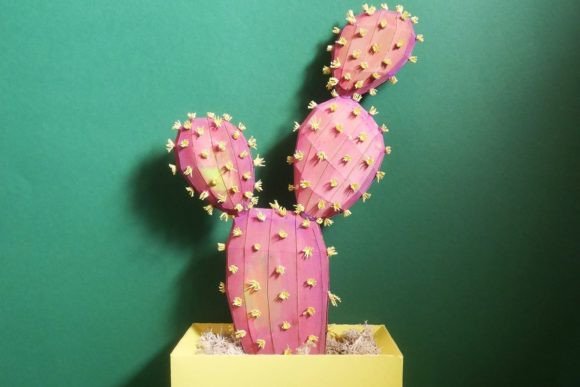
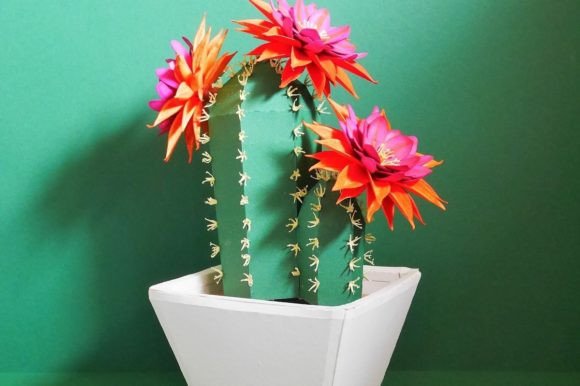
Right away, this design strikes a specific tone. It's playful, modern, and quietly confident. The 3D SVG nature suggests layers and depth, which translates wonderfully in embroidery to a sense of dimension achieved through satin stitch outlines and thoughtful fill stitch areas. The theme, squarely in the Cacti And Succulents category, isn't just a generic plant. The echinopsis shape, with its rounded forms and floral potential, feels friendly and approachable, less prickly and more decorative. This visual personality is its biggest asset: it creates a mood of cozy, contemporary craft without being overly rustic or trendy.
For me, this signals a design that naturally belongs on everyday items people love to use and gift. I'm picturing it on a canvas tote bag for a plant-loving friend, or as a singular, striking motif on the chest of a relaxed sweatshirt. Its detail level seems balanced—likely enough to be interesting but not so dense that it becomes a stitching marathon or loses clarity on textured fabrics.
Real-Life Embroidery Scenarios: Where This Design Thrives
Let's walk through a typical scenario. A client requests a custom embroidered pillow cover for a nursery. They want something botanical but not floral, unique but not chaotic. The Echinopsis Cactus file comes to mind instantly. Its rounded forms are safe and sweet for a baby item, and the subject matter is a fresh take on nature-themed decor. In practice, stitching it onto a pillow cover would mean evaluating stitch density to ensure it stands up to gentle use without puckering the fabric. The design's likely separate layers in the SVG template could allow for clever color play—using soft greens for the cactus and a pop of color for its flower, personalizing it perfectly.
Beyond nursery decor, this design's application is broad. For small business merchandise, it would be a standout on tea towels or aprons, offering a modern twist on kitchen botanicals. For custom apparel, imagine it on a baseball cap; the curved surface would require careful testing, but the design's central, contained shape could adapt well. As an embroidered patch, it would be instantly recognizable and easy to apply, perfect for craft fair products or Etsy listings. Its appeal as a personalized gift is high—from wedding gifts for a couple who loves desert aesthetics to holiday gifts for the minimalist friend.
In commercial embroidery settings, like a boutique branding its uniform shirts, this design adds professionalism and a handmade touch without being too casual. It enhances product value by feeling deliberately chosen and well-executed, which builds customer trust. For the digital product seller, this file would create beautiful, engaging printable mockups for sweatshirts or tote bags, driving buyer engagement through its clear, appealing visual.
Careful Considerations: Where to Test and Tread Lightly
No design is universally perfect, and a professional review must highlight where thoughtful testing is crucial. The Echinopsis Cactus, with its presumably rounded details and potential for layered elements, needs careful handling on certain surfaces.
On very small hoop sizes, the finer curves might lose definition if the stitch count isn't optimized. Embroidering onto stretchy fabric, like a t-shirt, demands a robust stabilizer strategy to prevent distortion of those clean shapes. Dark fabric backgrounds require a deliberate thread color contrast review; you might need to brighten the palette to maintain the same friendly mood. Similarly, textured fabrics like some blankets could obscure the design's clarity if the stitch density is too low.
For products destined for frequent washing, such as baby clothes or kitchen towels, you'd want to test the durability of the stitch areas, ensuring fill stitches are secure and satin stitch borders are tight. And while the design seems beautifully contained, applying it to a heavily layered garment like a thick sweatshirt might require adjusting your needle and thread tension to penetrate cleanly without compromising the detail.
Practical Notes for the Working Designer
Before this file ever touches a client's project or your shop inventory, here's my standard practice checklist, which applies perfectly here:
- Always test on scrap fabric first. Use the same material and weight as your final product. This reveals everything about puckering, thread coverage, and color interaction.
- Check thread color contrast against both light and dark backgrounds. Create simple black and white mockups to see the form without color influencing you.
- Review the implied stitch density from the SVG layers. Are there areas that will become overly dense or, conversely, too sparse?
- Confirm your hoop size can accommodate the design comfortably, allowing detail to shine.
- Inspect the smallest details in the template. How will tiny corners or curves translate into running stitches or satin stitch turns?
- Use proper stabilizer for your chosen fabric. This is non-negotiable for maintaining the design's integrity.
- Crucially, check the licensing. The description notes it's a template by Maison Gregoria. You must confirm the specific license terms to understand if it's suitable for both personal and commercial projects, and for selling finished items or digital products. Never assume.
The Final Impression: A Design That Adds Quiet Value
After this mental walkthrough, the Echinopsis Cactus embroidery file emerges as a strong, versatile candidate for the maker's toolkit. It doesn't shout; it decorates. It elevates everyday items into thoughtful handmade products. Its visual appeal is rooted in its friendly personality, which translates directly into stitching clarity and, ultimately, into a finished product that feels cohesive and professional.
For the creative entrepreneur, this design supports brand consistency if your aesthetic leans toward modern, natural themes. Its giftability is high because it feels both personal and universally pleasant. In a crowded market, a well-embroidered tote bag or pillow featuring this cactus stands out through its unique subject and clean execution.
My verdict is pragmatic: this is a design worth exploring for a wide range of projects. Its success, however, will always depend on the embroiderer's diligence—in testing, in material choice, and in respecting the original designer's work through proper licensing. Bring it to life with that care, and the Echinopsis Cactus will blossom beautifully in thread, on fabric, and in the hands of appreciative customers.